
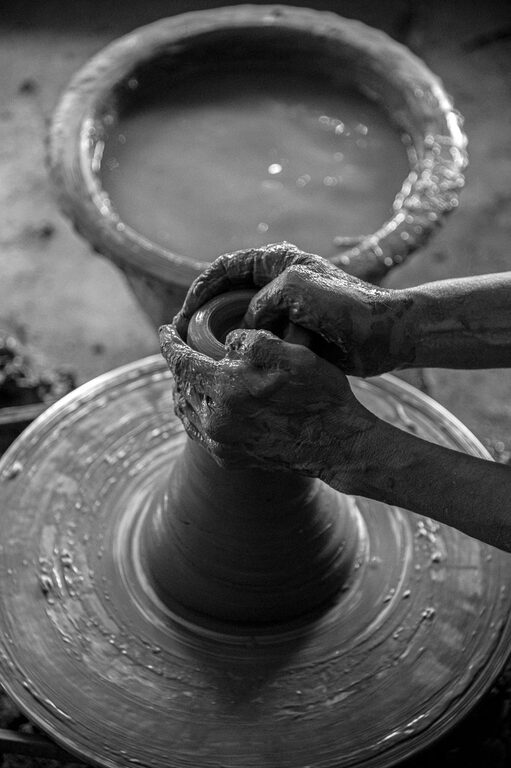
Creative hobbies offer more than a pleasant way to spend free time. Many activities require you to observe details, follow steps, and use your hands with care. Over time, these habits can encourage stronger focus and more controlled hand movements.
The best hobby is one you enjoy enough to practice regularly. Whether you prefer paper crafts, music, drawing, or building projects, creative activities can turn concentration and coordination into natural parts of the process.
Why Creative Hobbies Encourage Focus
Focus grows when you give your attention to one clear task. Creative hobbies often provide this type of practice because they involve a goal, a sequence of steps, or a visual result.
For example, completing a small model may require sorting pieces, reading instructions, and checking how each part fits. Painting a pattern may involve watching lines, shapes, and color placement. These activities encourage you to slow down and notice what you are doing.
Creative work can also make practice feel less repetitive. Instead of completing exercises for their own sake, you are working toward something personal, useful, or decorative.
How They Support Hand Coordination
Hand coordination involves using your fingers and hands together with your eyes. Many creative hobbies include actions such as:
– Holding tools steadily
– Placing small objects accurately
– Cutting along lines
– Tying knots
– Drawing controlled shapes
– Adjusting pressure and movement
– Repeating detailed patterns
These actions may become more comfortable with regular practice. You do not need to begin with difficult projects. Simple activities can provide a good starting point and help you build confidence gradually.
1. Drawing and Sketching
Drawing is an accessible hobby that can be practiced almost anywhere. A pencil and paper are enough to begin, while colored pencils, markers, or charcoal can add variety.
Sketching encourages focus because you need to observe proportions, lines, shadows, and textures. Even drawing a simple household object can involve careful attention to shape and placement.
Try these beginner-friendly projects:
– Sketch a cup, plant, or book
– Practice straight lines and curved lines
– Copy simple geometric shapes
– Draw patterns in a notebook
– Create a daily five-minute sketch
You can also try mindful drawing, in which you repeat lines, circles, or patterns without worrying about creating a perfect picture. The goal is to stay engaged with the process.
2. Coloring and Adult Coloring Books
Coloring may seem simple, but filling small spaces requires steady hand movements and attention to detail. It also gives you opportunities to experiment with color combinations and visual balance.
Choose pages that match your comfort level. Large shapes are useful when you want a relaxed activity, while intricate designs offer more detailed practice. Colored pencils are especially helpful for controlled shading, while markers create bold and even areas of color.
To make coloring more engaging, try:
– Using a limited color palette
– Creating light and dark variations
– Designing your own repeating patterns
– Comparing different tools
– Framing or displaying finished pages
3. Origami and Paper Folding
Origami uses folding, alignment, and careful finger movements to turn a flat sheet of paper into a three-dimensional shape. It encourages you to follow instructions in order and check each fold before moving on.
Start with basic projects such as a boat, envelope, flower, or simple animal. As you gain experience, you can try models with more folds and smaller details.
For a smoother experience:
– Use square paper with clear edges
– Read all instructions before beginning
– Make each crease carefully
– Work on a clean, flat surface
– Repeat simple designs before trying advanced ones
Origami is also convenient because it requires few materials and creates little mess.
4. Knitting, Crochet, and Fiber Crafts
Knitting and crochet involve repeated hand movements, counting, and following patterns. These hobbies can encourage steady attention because a small mistake may affect the next section of the project.
Beginners can start with a basic scarf, small square, or simple coaster. Learning a few fundamental stitches is often more useful than beginning with a complex pattern.
Fiber crafts can include many other activities, such as:
– Embroidery
– Cross-stitch
– Weaving
– Needle felting
– Friendship bracelets
– Simple sewing projects
If you find counting difficult at first, choose a project with a repeated pattern and mark your progress as you go.
5. Building Models and Puzzles
Model building and three-dimensional puzzles combine visual thinking with precise hand movements. They may involve sorting parts, connecting pieces, applying small details, and following a set of instructions.
You can choose from wooden models, snap-together kits, miniature scenes, construction sets, or mechanical puzzles. Select a project that fits the time and patience you want to invest.
To stay focused, organize the pieces before starting. Small containers or labeled sections can make the process easier. Taking short breaks can also help you return with fresh attention.
6. Playing a Musical Instrument
Learning an instrument involves coordination between the eyes, hands, and sometimes the feet. It also requires listening carefully, remembering sequences, and repeating sections until they become familiar.
A keyboard, ukulele, recorder, hand drum, or guitar can be a practical choice for beginners. Digital learning tools and short lessons may help you build a regular routine.
Keep early practice manageable:
– Learn one short pattern at a time
– Practice slowly before increasing speed
– Repeat difficult sections separately
– Use a timer for focused sessions
– Celebrate consistent practice, not just performance
Music practice does not have to be formal or demanding. Playing simple melodies can be an enjoyable creative activity.
7. Calligraphy and Hand Lettering
Calligraphy and hand lettering combine writing, design, and controlled movement. They encourage you to pay attention to spacing, direction, pressure, and shape.
Begin with basic strokes rather than complete words. Practice upward lines, downward lines, curves, and loops. Once you feel comfortable, combine the strokes into letters and short phrases.
Useful beginner supplies include:
– A smooth practice notebook
– A pencil or simple lettering pen
– A ruler for guidelines
– Lined or dotted paper
– A few reference alphabets
The emphasis should be on steady movement and personal style. Neatness often improves naturally through repetition.
8. Gardening and Small Plant Projects
Gardening is a hands-on hobby that includes planning, planting, watering, and observing change over time. Small tasks such as placing seeds, handling soil, or arranging cuttings require gentle and controlled movements.
You can start with a windowsill herb garden, container plants, or a small indoor propagation project. Gardening also provides a reason to pay attention to timing and routine.
Try creating a simple plant journal to record:
– Plant names
– Watering dates
– Growth changes
– Light conditions
– New ideas for care
Choosing the Right Hobby
When selecting a creative hobby, consider your interests, space, budget, and available time. A hobby should feel inviting rather than like another obligation.
Ask yourself:
– Do I prefer working with paper, fabric, tools, or sound?
– Would I rather follow instructions or create freely?
– Do I enjoy short projects or long-term projects?
– Do I want a quiet solo activity or a group experience?
– What materials do I already have?
Start with a small project and give yourself permission to make mistakes. Creative hobbies are most rewarding when they leave room for curiosity and experimentation.
Making Practice a Regular Habit
A short, consistent routine can be easier to maintain than occasional long sessions. Set aside 10 to 20 minutes a few times each week. Keep your supplies in one convenient place so starting feels simple.
You can also track completed projects, save favorite ideas, or take photos of your progress. Seeing improvement over time can make the hobby more motivating.
Whether you choose to fold paper, draw patterns, build models, or play music, the process offers a useful combination of creativity and attention. With regular practice, these hobbies can make focused, precise work feel enjoyable and rewarding.