
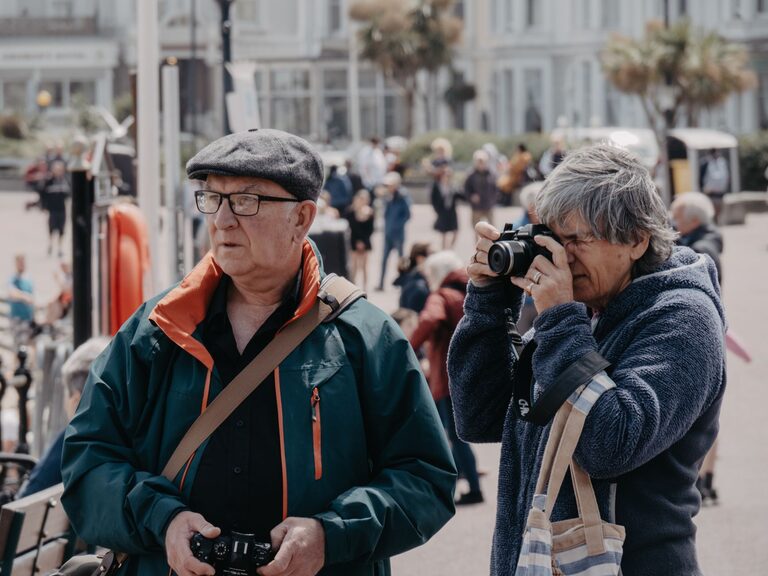
Finding a great adventure does not always require a long drive or an overnight stay. Nearby towns, parks, trails, waterways, and cultural sites can provide a full day of discovery. For active adults, the best day trips often combine light exercise, interesting scenery, good food, and plenty of opportunities to explore at a comfortable pace.
Whether you enjoy walking through historic districts, cycling along quiet paths, visiting local farms, or spending time outdoors, there are many ways to turn a free day into a memorable outing.
Start With Your Ideal Day Trip
Before choosing a destination, think about the type of experience you want. A little planning can help you select a trip that matches your interests, energy level, and available time.
Consider these questions:
– How far do you want to travel?
– Would you rather walk, hike, cycle, paddle, or browse local shops?
– Do you prefer a planned schedule or a relaxed, flexible day?
– Are you looking for nature, history, food, art, or a combination?
– Will you bring your own equipment, or do you need to rent it?
– Where can you stop for meals, coffee, or breaks?
A destination within one or two hours of home can offer plenty to do without making the trip feel rushed. Look for places with several nearby attractions so you can easily adjust your plans.
Explore a Nearby Historic Town
A historic town can be an excellent choice for an active day out. Many older communities have walkable main streets, preserved buildings, local museums, independent shops, and scenic public spaces.
Begin with a self-guided walking tour. You can often find maps through the town’s visitor center or website. Look for notable buildings, old neighborhoods, public art, and landmarks that tell the story of the area.
After walking through the central district, stop at a local café or bakery. Then continue to a museum, gallery, or small cultural center. If the town has a riverfront, harbor, or public garden, include that in your route.
Make the Most of a Historic Town Visit
– Wear comfortable shoes for walking on varied surfaces.
– Check museum hours before leaving home.
– Look for seasonal markets or community events.
– Leave time to browse local stores.
– Choose a restaurant that offers regional specialties or outdoor seating.
This type of trip works well for people who enjoy staying active without committing to a long trail or demanding outdoor activity.
Plan a Scenic Hiking or Walking Day
A nearby nature preserve, state park, or wooded trail system can provide a refreshing change of scenery. You do not need to choose the longest or steepest trail to enjoy a satisfying outdoor adventure.
Select a route based on distance, terrain, and the amount of time you want to spend outside. A loop trail can be especially enjoyable because it offers changing views along the way. If a park has several trails, you can combine a shorter walk with a picnic or visit to a nearby viewpoint.
Bring water, snacks, weather-appropriate clothing, and a small bag for personal items. Check the park’s rules and trail conditions before your visit. Some paths may be muddy after rain or difficult to navigate during certain seasons.
For a more varied day, pair your walk with another nearby activity. You might visit a farm stand, explore a small town, or stop at a scenic overlook on the drive home.
Take a Bike Ride on a Local Trail
Cycling is a fun way to see more of an area in less time. Rail trails, greenways, and paved waterfront paths are often good choices for a relaxed day trip.
Choose a route that matches your preferred pace. Some trails are designed for easy riding, while others include hills, rough surfaces, or longer distances. If you do not own a bicycle, look for rental shops near the trailhead.
Plan several stops along the way. A pleasant ride might include a visit to a picnic area, a historic marker, a farm shop, or a nearby café. You can also make the ride more enjoyable by choosing a destination rather than simply riding for distance.
Before heading out, check the trail map and confirm where you can park, refill water, and take breaks. A small repair kit and a charged phone can also be useful.
Visit a Farmers Market and Local Food Trail
A farmers market can be the starting point for a day centered on local food and community life. After visiting the market, continue to nearby farms, orchards, bakeries, specialty food shops, or restaurants.
Many regions have informal food trails that connect producers and small businesses. You can create your own route by choosing two or three stops within a reasonable driving distance.
To keep the day active, include a walk through a downtown area, public garden, or nearby park. You might also look for a seasonal activity such as berry picking, a farm tour, or a cooking demonstration.
Tips for a Food-Focused Day Trip
– Bring a cooler for items that need to stay fresh.
– Check opening times for smaller businesses.
– Set a comfortable limit for the number of stops.
– Carry reusable bags and water.
– Reserve a table if the area is popular on weekends.
This option is especially appealing when you want a mix of movement, conversation, and local flavor.
Discover a Waterfront Community
Lakeside towns, coastal villages, and river communities often offer several activities in one compact area. You can begin with a walk along the water, follow it with a boat tour, and finish with lunch overlooking the shoreline.
Look for public piers, boardwalks, nature centers, and viewing areas. Some locations offer kayak, canoe, or paddleboard rentals for visitors who want to spend time on the water. If you prefer to stay on land, a waterfront walking route may provide plenty of scenery.
Check the weather and local conditions before planning a water-based activity. Bring layers, sun protection, and shoes that work well near wet or uneven surfaces.
Combine Art, Culture, and Movement
A museum or gallery visit does not have to be a quiet, indoor-only outing. Many cultural districts are surrounded by public art, sculpture gardens, historic streets, and independent cafés.
Choose a museum with exhibits that interest you, then add a walking route through the surrounding neighborhood. Some cities offer public art maps or architecture tours that make it easy to explore beyond the main attraction.
You can also look for outdoor concerts, craft studios, botanical gardens, or community theaters. Check event calendars in advance, especially if your visit depends on a specific performance or tour.
Build a Simple Day Trip Itinerary
A flexible schedule can help you enjoy more without feeling hurried. Here is one example:
– 8:30 a.m. Leave home with coffee, water, and snacks.
– 10:00 a.m. Arrive at a trail, historic district, or waterfront.
– 10:15 a.m. Walk, cycle, or explore the first attraction.
– 12:30 p.m. Enjoy lunch at a local restaurant or picnic area.
– 2:00 p.m. Visit a museum, market, garden, or scenic overlook.
– 4:00 p.m. Stop for coffee or a small treat.
– 5:00 p.m. Begin the trip home.
The schedule can be adjusted to suit the destination. The goal is to leave enough room for unexpected discoveries and regular breaks.
Make Nearby Exploration a Regular Habit
Day trips are a simple way to explore more of your region without extensive planning. Try creating a list of places within driving distance, including towns you have never visited, parks you have not explored, and local attractions you usually pass by.
Invite a friend, organize a small group outing, or enjoy a solo adventure. With a comfortable route and a few thoughtful stops, even a familiar area can feel new. The best day trip is one that gives you time to move, look around, and enjoy the experience at your own pace.