
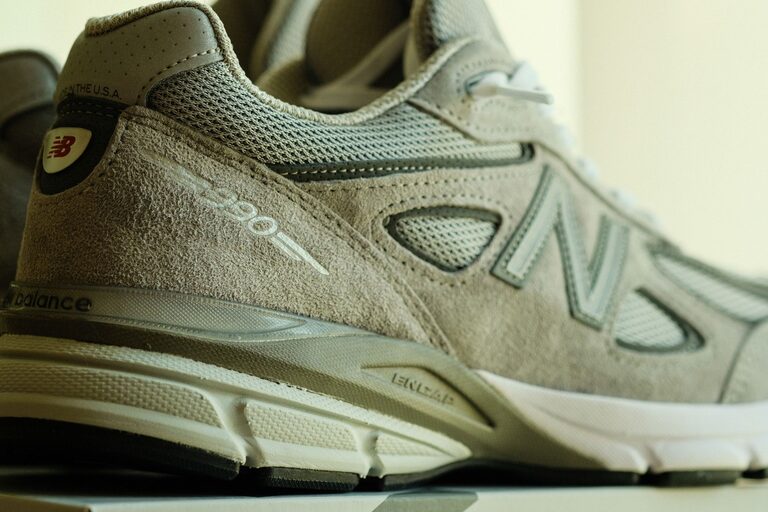
Walking is one of the easiest ways to stay active, run errands, and enjoy time outdoors. The right pair of shoes can make each step feel easier, while the wrong pair may leave you distracted by pressure, rubbing, or tired feet.
Comfort is personal, but a few simple guidelines can help you choose shoes that feel good from the first step. Here is what to look for when shopping for everyday walking shoes.
Start With the Right Fit
A comfortable shoe should fit your feet without needing to be “broken in” through pain or discomfort. Shoes may soften slightly with use, but they should feel reasonably comfortable when you try them on.
Check the Length
Your toes need enough room to move naturally. As a general guide, leave about a thumb’s width between your longest toe and the front of the shoe. This space allows for normal foot movement and minor changes in foot size during the day.
Avoid shoes that press against your toes, even if the pressure seems small. A shoe that feels slightly short in the store may feel much tighter after hours of walking.
Check the Width
Your foot should rest comfortably on the sole without spilling over the edges. The sides of the shoe should not squeeze your foot or create noticeable pressure.
If you have wide or narrow feet, look for brands that offer different width options. Choosing a different width is often more effective than simply buying a larger size.
Try on Both Shoes
Many people have one foot that is slightly larger than the other. Always try on both shoes and judge the fit by the larger foot. Walk around the store for several minutes to notice any rubbing, slipping, or tight spots.
It is also helpful to try shoes on while wearing the socks you normally use for walking.
Shop at the Right Time of Day
Feet can change slightly in size throughout the day. Shopping later in the day can help you choose a fit that remains comfortable after you have been standing or walking for several hours.
If you shop in the morning, remember that a shoe that feels roomy at first may feel tighter later. Take your time and walk around before making a decision.
Look for Comfortable Support
Everyday walking shoes should feel stable without being stiff or heavy. A supportive design helps your feet move naturally while providing a steady base for each step.
Look for these features:
– A firm but comfortable heel area
– A secure fit around the middle of the foot
– Enough flexibility near the toes
– A sole that bends in a natural place
– Padding that feels comfortable without taking up too much space
Support does not have to mean a hard, rigid shoe. Some people prefer a structured feel, while others like a lighter and more flexible design. The best choice is the one that feels stable and natural during your normal walking pattern.
Pay Attention to the Sole
The sole affects comfort, grip, and how the shoe feels on different surfaces. For everyday walking, choose a sole that offers a good balance of cushioning and stability.
A very thin sole may not feel comfortable on hard sidewalks, while an extremely soft sole may feel less stable. Look for a design that gives you some protection from the ground but still allows you to feel balanced.
The outsole should also provide enough traction for the places where you usually walk. If you walk on sidewalks and indoor floors, a standard rubber outsole may be suitable. If your route includes parks or uneven paths, choose a sole with a more textured surface.
Choose the Right Amount of Cushioning
Cushioning can make shoes feel pleasant, especially when walking on hard surfaces. However, more cushioning is not always better. A shoe that feels soft in the store may feel unstable or bulky after extended use.
When trying on a pair, ask yourself:
– Does the cushioning feel comfortable rather than overly soft?
– Can I walk naturally without feeling unsteady?
– Does the shoe feel light enough for daily use?
– Does the sole provide enough protection for my usual routes?
Walk on different surfaces if possible. A shoe may feel different on carpet, tile, or a hard store floor.
Consider the Shoe’s Weight
Lightweight shoes can make everyday walking feel easier, particularly when you wear them for long periods. Heavy shoes may feel secure, but they can become tiring during errands or longer walks.
A lightweight shoe should still have enough structure to keep your foot stable. Avoid choosing a pair based on weight alone. Comfort, fit, and traction are equally important.
Select Breathable Materials
Breathable materials can help keep your feet more comfortable during warm weather or extended walks. Mesh panels and other airy fabrics allow more airflow than completely sealed materials.
For cooler or wetter conditions, you may prefer shoes with a more protective outer layer. Consider your local weather and the places where you usually walk. A breathable summer shoe may not be the best choice for rainy commutes, while a heavily insulated shoe may feel too warm indoors.
Make Sure the Heel Stays Secure
Your heel should stay comfortably in place as you walk. A small amount of movement is normal, but excessive slipping can cause rubbing and make the shoe feel unstable.
Try walking up and down a slight incline if the store allows it. Pay attention to whether your heel lifts significantly or whether your foot slides forward. Adjusting the laces may improve the fit, but a shoe that continues to slip may not be the right shape for your foot.
Think About Your Daily Routine
The best walking shoe depends on how and where you use it. Consider your typical activities before shopping.
For Errands and Commuting
Choose a versatile shoe with reliable traction, moderate cushioning, and a style that works with your everyday clothing. Easy-to-clean materials can be useful if you often walk outdoors.
For Long Walks
Look for a secure fit, comfortable cushioning, breathable materials, and enough room for your toes. A shoe that feels fine for a short trip may not remain comfortable during a longer walk, so test it thoroughly.
For Indoor Walking
Lightweight shoes with a smooth, flexible sole may work well. Make sure the outsole still provides enough grip for polished or hard indoor floors.
Do Not Ignore Small Discomforts
When trying on shoes, notice exactly where discomfort appears. Pressure at the toes, rubbing at the heel, or tightness across the top of the foot may become more noticeable with use.
Do not rely on thick socks or a different lacing method to solve a poor fit. Minor adjustments can help, but the shoe should be comfortable without complicated fixes.
Break In New Shoes Gradually
Even a well-fitting pair may feel different from your old shoes. Wear new shoes for short periods at first, such as around the house or during a brief walk. This gives you time to notice any problems before wearing them for a full day.
Keep the packaging and check the store’s return policy in case the shoes do not remain comfortable after several uses. A few test walks can reveal details that are easy to miss in a fitting room.
Review Your Shoes Regularly
Walking shoes do not last forever. Check the soles, cushioning, and upper materials from time to time. Signs of wear may include uneven tread, flattened cushioning, loose stitching, or a sole that no longer feels stable.
Replace shoes when they no longer provide the comfort and support you expect. Waiting until they are visibly damaged can make it harder to find a comfortable replacement in time.
Final Tips for a Better Choice
Before buying everyday walking shoes, remember to:
– Shop later in the day when possible
– Try on both shoes with your usual socks
– Leave enough room for your toes
– Check the width as well as the length
– Walk around for several minutes
– Look for a secure heel and comfortable middle fit
– Choose cushioning that feels stable
– Match the sole to your usual walking surfaces
– Consider weather, distance, and daily activities
– Replace shoes when wear affects comfort
The most comfortable walking shoe is not necessarily the most expensive or the most popular. It is the pair that fits your feet well, supports your routine, and feels natural every time you put it on.