
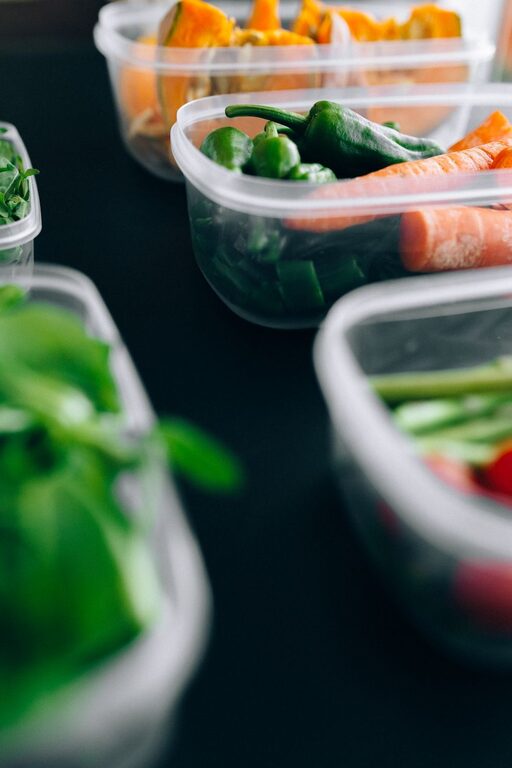
Cooking at home can be rewarding, but deciding what to make every day often becomes the hardest part. A little meal planning can make the process smoother without turning your kitchen into a strict schedule.
The goal is not to plan every bite or cook complicated recipes. Instead, focus on a few simple habits that help you choose meals, organize ingredients, and leave room for flexibility. With the right approach, meal planning can save time and make home cooking feel more relaxed.
Start With a Short Weekly Plan
You do not need to plan an entire month at once. A short weekly plan is easier to manage and gives you room to adjust.
Choose three or four main meals for the week. The remaining days can be used for leftovers, simple meals, takeout, or ingredients that need to be used soon. This approach avoids the pressure of preparing a different recipe every night.
When planning, consider:
– How many people will be eating
– Which nights will be busy
– How much time you want to spend cooking
– What ingredients you already have
– Whether you would like leftovers for lunch
A useful plan should support your routine, not create extra work. If you know one evening will be especially busy, schedule a quick meal instead of hoping you will have time for a longer recipe.
Use Flexible Meal Categories
Planning by meal category can be easier than searching for specific recipes. Categories give you a starting point while allowing you to use different ingredients.
For example, you might plan:
– A pasta or grain bowl
– A soup, stew, or chili
– A sheet pan meal
– A breakfast-for-dinner meal
– A sandwich, wrap, or salad night
– A leftover or clear-out-the-fridge meal
Once you choose a category, select a recipe based on what you have available. A grain bowl could include rice, roasted vegetables, beans, chicken, tofu, or a simple sauce. The basic format stays the same, but the ingredients can change from week to week.
This method keeps meals familiar while preventing your routine from becoming repetitive.
Keep a List of Reliable Recipes
Create a personal list of meals that are easy to prepare and usually enjoyed by the people in your home. These are your dependable options for busy days.
Your list might include:
– Five quick dinners
– Three meals that create useful leftovers
– Two freezer-friendly recipes
– A few no-cook or low-cook options
– Several meals that use pantry staples
You can keep the list in a notebook, notes app, spreadsheet, or recipe folder. Add recipes as you find them, and mark the ones you would gladly make again.
A reliable recipe does not have to be impressive. A simple meal that tastes good, uses familiar ingredients, and fits your schedule is often more valuable than a complicated dish that creates stress.
Plan Around Ingredients You Already Have
Before shopping, take a quick look through your refrigerator, freezer, and pantry. This habit can help you avoid buying duplicates and may inspire your meals.
Look for ingredients that should be used soon, such as fresh produce, cooked grains, open dairy products, or herbs. Then build one or two meals around them.
For example:
– Use vegetables in a stir-fry, soup, or roasted side dish.
– Turn cooked chicken into wraps, sandwiches, or a grain bowl.
– Add extra beans to tacos, salads, or pasta.
– Use ripe fruit in oatmeal, yogurt, or a simple dessert.
– Combine leftover grains with eggs and vegetables for a quick meal.
Planning from what you already own can also make grocery shopping more focused. Instead of buying ingredients for several unrelated recipes, choose items that can work across multiple meals.
Shop With a Practical List
A good shopping list is organized around the way you move through the store or the way you use ingredients at home. Group similar items together, such as produce, dairy, pantry foods, and frozen items.
Before leaving, check:
– The ingredients needed for your planned meals
– Basic staples that are running low
– Snacks or breakfast items
– Ingredients that can be used in more than one dish
– Foods that are easy to store if plans change
Try not to plan every ingredient for one specific recipe unless you are certain you will make it. Flexible ingredients are often more useful. For example, tortillas can become wraps, quesadillas, or breakfast tacos, while plain yogurt can be used in sauces, breakfasts, or snacks.
Prepare Ingredients, Not Entire Meals
Meal preparation does not have to mean cooking everything on one day. For many people, preparing a few ingredients is more manageable.
Set aside a short amount of time to:
– Wash and cut selected vegetables
– Cook a batch of rice, grains, or pasta
– Prepare a simple sauce or dressing
– Portion snacks
– Cook a versatile protein or plant-based ingredient
– Move frozen items to the refrigerator to thaw
Preparing ingredients gives you a head start while keeping meals flexible. You can combine them in different ways throughout the week instead of eating the same prepared dish several times.
If your schedule changes, prepared ingredients can often be stored for another day more easily than a fully assembled meal.
Create a “No Recipe” Meal List
Some of the easiest home meals come from simple combinations rather than written recipes. Make a list of no-recipe ideas for evenings when you want something quick.
Options might include:
– Scrambled eggs with toast and fruit
– Pasta with vegetables and a simple sauce
– Rice topped with beans, vegetables, and cheese
– A baked potato with leftover toppings
– A sandwich with soup or a side salad
– A snack plate with crackers, vegetables, fruit, and other favorites
These meals are useful because they require little planning and can adapt to what you have on hand. They also help reduce the feeling that cooking always requires a detailed recipe.
Leave Room for Flexibility
A meal plan should be a guide, not a rulebook. Plans can change because of unexpected errands, different appetites, or ingredients that need to be used first.
Consider assigning meals to broad days instead of setting a strict order. You could list four meals for the week and choose among them each evening. This gives you control without making the plan feel rigid.
It also helps to keep one or two backup meals available. Frozen vegetables, canned beans, eggs, pasta, bread, and other staples can form the foundation of a quick dinner when your original plan no longer works.
Review What Worked
At the end of the week, take a few minutes to review your plan. Ask simple questions:
– Which meals were easy to make?
– Which recipes did everyone enjoy?
– Did you buy more than you needed?
– Were the portions practical?
– Which ingredients remain for next week?
– What would make busy evenings easier?
Use the answers to adjust your next plan. You may discover that you prefer planning fewer meals, repeating breakfast options, or preparing ingredients on a different day.
The best meal planning system is one you can continue using. Small improvements are more useful than a perfect plan that becomes difficult to maintain.
Make Cooking More Enjoyable
Meal planning works best when it leaves space for enjoyment. Choose recipes that match your skill level, play music or a podcast while you cook, and invite others to help with simple tasks when appropriate.
Keep frequently used tools easy to reach, and store everyday ingredients where you can see them. A comfortable, organized kitchen can make cooking feel less like a chore.
Most importantly, remember that home cooking does not need to be elaborate. A few dependable meals, a flexible shopping list, and some basic preparation can make the entire process easier. With these habits, meal planning becomes a helpful routine that supports more relaxed and enjoyable meals at home.