
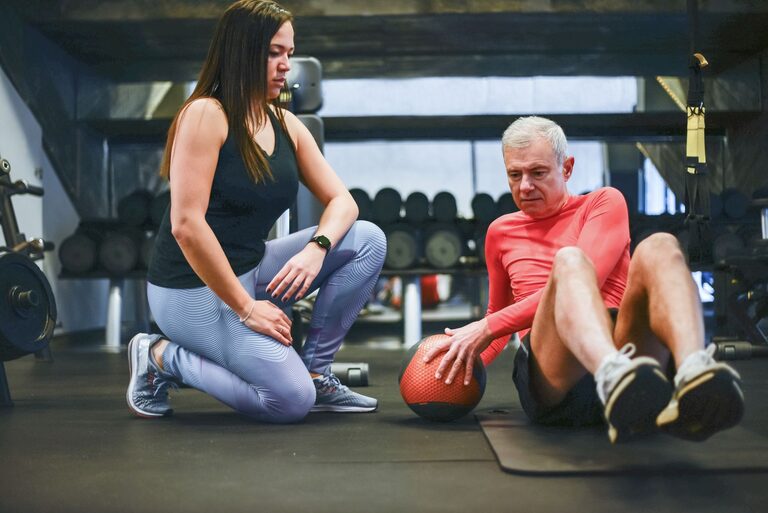
Why Low Impact Exercise Matters
Low-impact exercise places less stress on the joints while still helping you build strength, improve coordination, and stay active. Unlike high-impact activities such as running or jumping, low-impact movements keep at least one foot on the floor or use controlled motions.
These exercises can fit a wide range of fitness levels. They are useful for beginners, people returning to activity, and anyone who prefers a gentler approach to movement. With regular practice, low-impact exercises can support everyday activities such as climbing stairs, carrying groceries, standing from a chair, and reaching overhead.
A balanced routine should include several types of movement:
– Strength exercises for the legs, arms, and core
– Balance exercises for control and stability
– Mobility exercises for comfortable movement
– Light aerobic activity for endurance
You do not need expensive equipment. A sturdy chair, a wall, comfortable shoes, and a clear floor area are enough to get started.
Safety First
Choose a space free of clutter and use a stable surface. Keep a sturdy chair, countertop, or wall nearby when practicing balance exercises. Move slowly, breathe naturally, and focus on good form rather than speed.
Mild effort is normal, but stop if you feel sharp pain, dizziness, unusual shortness of breath, or loss of control. If you have a health concern or are starting a new exercise routine after a long break, consider asking a qualified professional for guidance.
Chair Squats
Chair squats strengthen the thighs, hips, and lower body while practicing a movement used in daily life.
How to do them
- Stand in front of a sturdy chair with your feet about hip-width apart.
- Extend your arms forward or keep them at your sides.
- Bend your knees and slowly move your hips backward as if you are about to sit.
- Lightly touch the chair with your hips, then press through your feet to stand.
- Keep your chest lifted and your knees pointed in the same direction as your toes.
Start with 8 to 10 repetitions. To make the exercise easier, use your hands on the chair or stand from a higher seat. To increase the challenge, pause just above the chair before standing.
Wall Push Ups
Wall push-ups build strength in the chest, shoulders, arms, and upper back without requiring you to get down on the floor.
How to do them
- Stand facing a wall, about one arm’s length away.
- Place your hands on the wall at shoulder height.
- Step your feet back slightly and keep your body in a straight line.
- Bend your elbows to bring your chest toward the wall.
- Press through your hands to return to the starting position.
Keep your shoulders relaxed and avoid letting your lower back arch. Begin with 8 to 12 repetitions. As you become more comfortable, step farther from the wall to increase the challenge.
Heel Raises
Heel raises strengthen the calves and help develop control through the ankles and feet. They can be done while standing behind a chair or facing a countertop.
How to do them
- Stand tall with your feet hip-width apart.
- Hold the chair or counter lightly for support.
- Slowly lift your heels so you rise onto the balls of your feet.
- Pause briefly at the top.
- Lower your heels with control.
Complete 10 to 15 repetitions. Keep your weight evenly distributed between both feet. For an added balance challenge, try lifting and lowering your heels without gripping the support tightly.
Standing Leg Extensions
This exercise targets the muscles around the hips and supports controlled leg movement.
How to do them
- Stand behind a sturdy chair and place both hands on it.
- Keep your back straight and your shoulders relaxed.
- Slowly extend one leg behind you without leaning forward.
- Squeeze the muscles around the back of the hip gently.
- Return the foot to the floor and switch sides.
Perform 8 to 12 repetitions on each side. Keep the movement small and controlled. The goal is not to lift the leg as high as possible.
Step Touches
Step touches add gentle aerobic movement while helping you practice shifting your weight from side to side.
How to do them
- Stand with your feet together and your arms relaxed.
- Step to the right with your right foot.
- Bring your left foot beside it.
- Step to the left, then bring your right foot beside it.
- Continue moving from side to side at a comfortable pace.
Try the exercise for 30 to 60 seconds. You can swing your arms gently or tap the opposite shoulder to involve the upper body. Keep the steps controlled and leave enough space around you.
Marching in Place
Marching in place works the legs and hips while improving coordination. It is also an easy way to warm up before strength exercises.
How to do it
- Stand tall with your feet about hip-width apart.
- Lift one foot a few inches from the floor.
- Lower it gently and lift the opposite foot.
- Continue alternating sides.
- Keep your arms relaxed or swing them naturally.
March for 30 seconds to 2 minutes. If balance is a concern, stand near a wall or hold the back of a chair. To make the movement more challenging, lift the knees slightly higher while maintaining control.
Balance Practice
Balance improves through regular, consistent practice. Start with exercises that keep both feet close to the floor, then progress gradually.
Narrow stance
Stand with your feet close together while holding a chair or counter lightly. Maintain the position for 10 to 20 seconds. As you gain confidence, reduce your grip or briefly lift one hand at a time.
Heel to toe stance
Place one foot directly in front of the other, as if standing on a line. Hold the position for 10 to 20 seconds, then switch the leading foot. Keep a support nearby and use a shorter stance if needed.
Supported single leg stand
Stand behind a chair and shift your weight onto one foot. Lift the other foot slightly from the floor and hold for 5 to 10 seconds. Lower it carefully, then switch sides. Begin with several short holds rather than trying to stand for a long period.
A Simple Weekly Routine
A consistent schedule is more useful than occasional intense workouts. Try this sample routine two or three times per week:
– Warm up with marching and step touches for 5 minutes.
– Perform chair squats, wall push-ups, heel raises, and leg extensions.
– Complete one or two balance exercises.
– Finish with gentle stretches for the legs, shoulders, and hips.
Start with one set of each strength exercise. Over time, you can add a second set, increase the number of repetitions, or extend the time spent on balance work.
Tips for Long-Term Progress
Track how the exercises feel and note small improvements, such as standing more steadily, completing more repetitions, or moving with less effort. Make only one change at a time so you can understand how your body responds.
Consistency, patience, and controlled movement are the foundations of a low-impact routine. By combining strength work with balance practice, you can create a practical exercise plan that supports confident movement in everyday life.